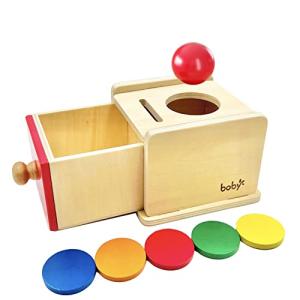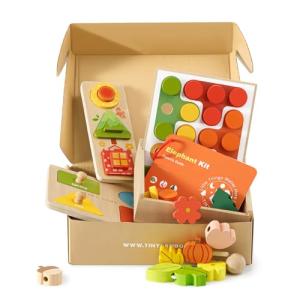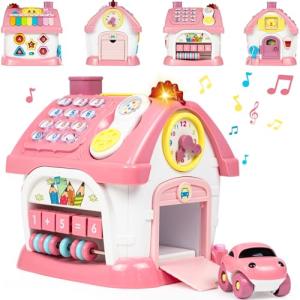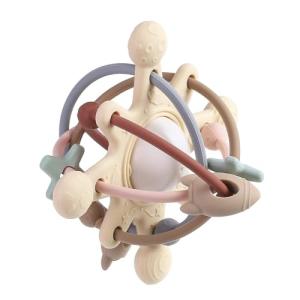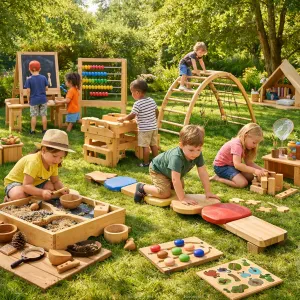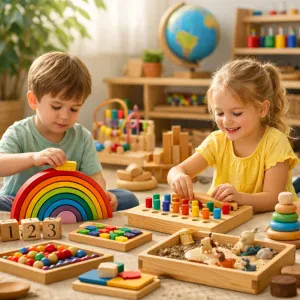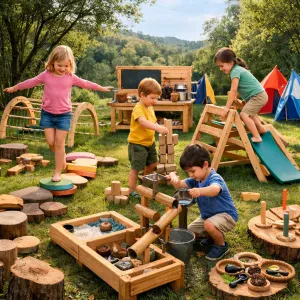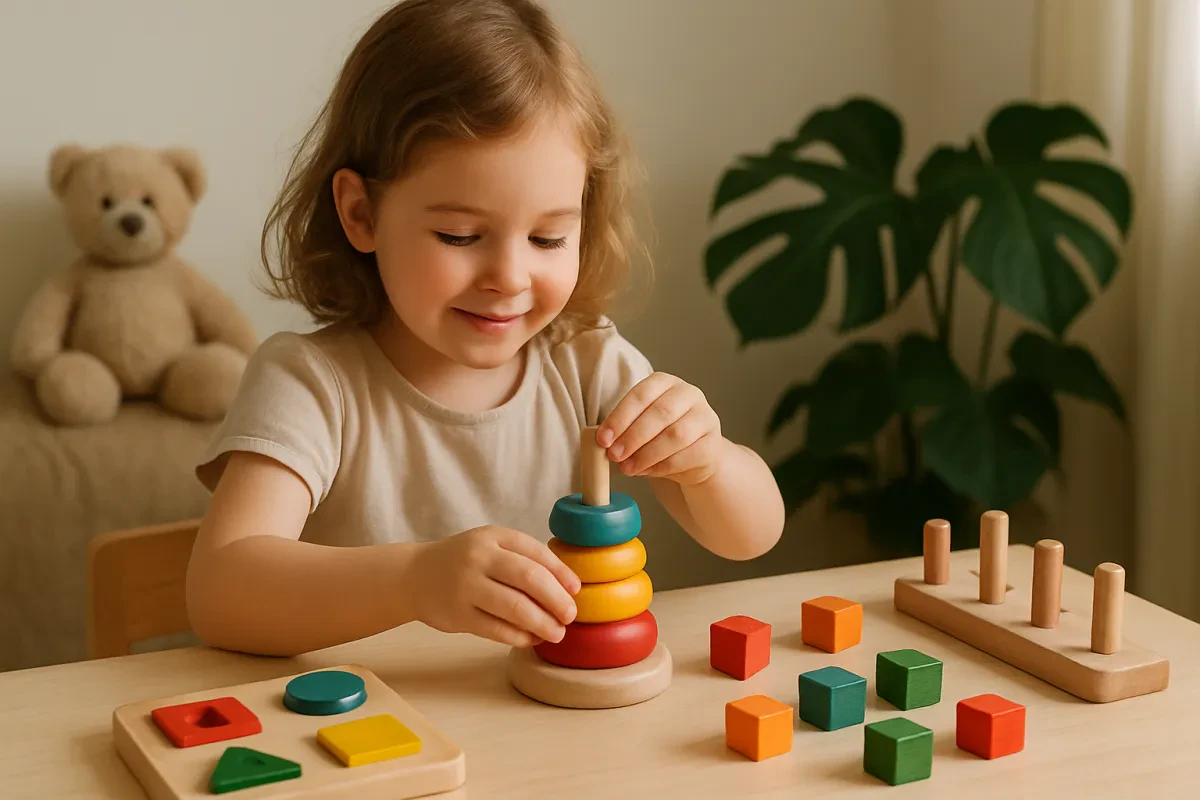
Playtime isn’t just about fun; it’s a chance for kids to explore, learn, and grow. When kids engage in activities with Montessori toys, they not only enjoy themselves but also develop skills that positively affect their mental health. Montessori toys encourage independent play, which can help little ones feel more confident and capable.
These toys often focus on sensory experiences and hands-on learning. For example, a simple puzzle can promote problem-solving skills while keeping kids engaged and calm. As they work through challenges, they learn patience and perseverance. This process can significantly reduce anxiety and stress, making Montessori toys perfect for nurturing a child’s emotional well-being.
Montessori toys also promote mindfulness. When children focus on stacking blocks or sorting colors, they become present in the moment. This focus can serve as a form of meditation, allowing kids to push aside distractions and enjoy their playtime. It’s all about creating a peaceful space for them to unwind and explore their creativity without pressures.
By integrating play with learning, parents can support their child’s growth both mentally and emotionally. With the many Montessori Toys Mental Health Benefits, investing in these toys can lead to happier, healthier kids. Playtime becomes a time for cultivating skills that help them cope with life’s ups and downs.
Boosting Emotional Skills through Play
Playtime isn’t just about having fun; it’s a fantastic way for kids to learn about their feelings and build emotional skills. Montessori toys are designed to encourage imaginative play, which can help kids express their emotions. When little ones engage in pretending, they learn to identify and process their feelings, becoming more in tune with themselves and others.
For example, when children play with dolls or action figures, they often create scenarios that reflect their everyday experiences. This helps them work through situations that might be confusing or emotional. Kids can practice empathy, explore different roles, and even find solutions to problems—all through play. Montessori toys make this kind of imaginative play easy and fun.
Another great aspect of Montessori toys is how they promote cooperative play. Many toys encourage teamwork, whether it's building a block tower together or sharing materials in a creative project. Working alongside peers helps kids develop social skills, learn to share, listen, and resolve conflicts. All of these interactions are key components of emotional intelligence and are part of the Montessori Toys Mental Health Benefits.
By providing an environment rich in engaging play opportunities, parents can support their kids' emotional growth. Montessori toys aren’t just toys; they’re tools for enhancing emotional well-being. When kids feel free to explore their emotions through play, they gain confidence and resilience, which is vital for their mental health.
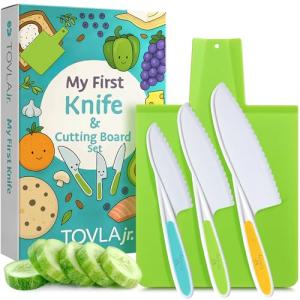
Toddler Montessori Kitchen Knife and Cutting Board Set
A fun and safe way for your little chef to learn kitchen skills and build confidence
Product information
$15.95
Product Review Score
4.47 out of 5 stars
59 reviewsProduct links
Stress Relief with Creative Activities
Creative activities are a fantastic way for kids to let off some steam and relieve stress. When children get engaged in hands-on projects, they focus on the task at hand, allowing their minds to relax and unwind. This is where Montessori toys shine. They offer a range of creative options that not only entertain but also provide a way for kids to express themselves.
Building sets, arts and crafts, and sensory play are just a few examples of Montessori toys that can help kids tap into their creativity. These kinds of toys encourage exploration and problem-solving, making them perfect for reducing anxiety. For instance, working on a puzzle or constructing with blocks can shift a child’s focus away from daily pressures, giving them a sense of accomplishment and calm.
Not only do these activities help with stress relief, but they also promote fine motor skills and cognitive development. When kids are absorbed in their projects, they experience a boost in self-esteem and satisfaction. This sense of achievement is one of the key Montessori Toys Mental Health Benefits, as it builds resilience and positivity.
Another great aspect of creative activities is that they can be shared with friends or family. Collaborative projects bring people together and strengthen connections. Whether it’s painting a giant mural or building an enormous fort, working together allows children to bond over their creations and share moments of joy.

Montessori DIY Felt Christmas Tree Set for Kids
Product information
$19.99 $18.99
Product Review Score
4.96 out of 5 stars
15 reviewsProduct links
Building Resilience with Montessori Toys
Montessori toys are not just fun; they play a big role in building resilience in kids. These toys encourage problem-solving, creativity, and independence, which are all crucial for developing a strong mindset. When children engage with these toys, they're exploring their abilities and learning to handle challenges on their own. That’s a huge boost for their confidence!
Take puzzles, for example. Solving these little brainteasers can sometimes be tricky, but each time a child figures one out, it's like hitting a mini milestone. That feeling of accomplishment helps kids understand that challenges are part of life. They start to see mistakes as opportunities to learn rather than setbacks.
Another great example is role-play toys. Pretending to cook, build, or even care for dolls gives kids a safe space to express emotions and practice real-life scenarios. This play nurtures emotional intelligence and shows them how to handle different situations with grace. The more they play, the more they learn about coping with feelings, which ties directly into the Montessori Toys Mental Health Benefits.
Don’t forget about toys that promote teamwork too! Games that require collaboration help kids learn to communicate, negotiate, and compromise. These social interactions are vital for resilience, showing children that they can rely on others and be part of a community, especially during tough times. It’s all about building that social muscle!