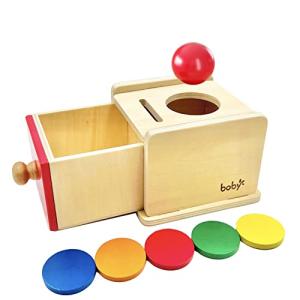
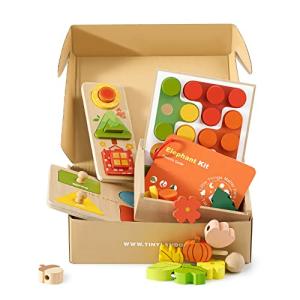
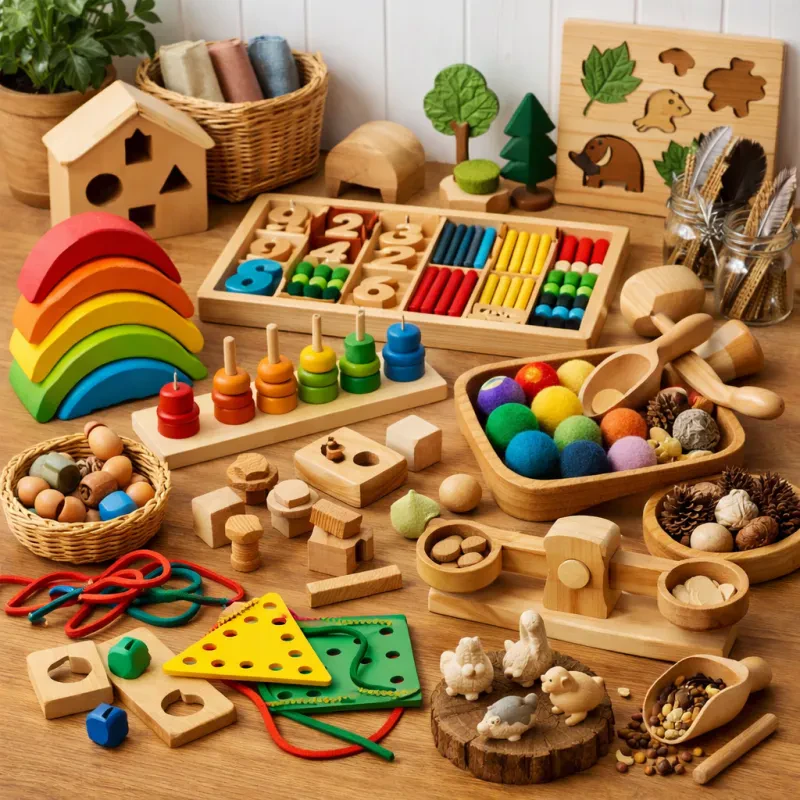
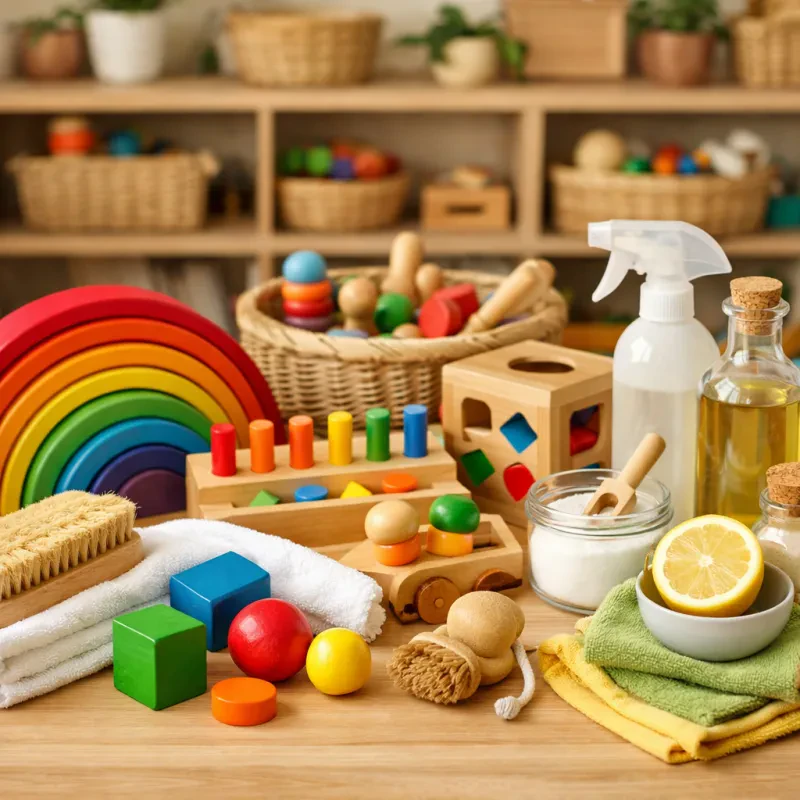
Keeping your Montessori toys clean is super important for safe playtime. Kids love exploring, and with that comes dirt, spills, and sticky fingers. Regular cleaning can keep those toys looking brand new and ready for action.
Start by checking the materials. Most of these toys are made from wood, fabric, or plastic. For wooden toys, a simple wipe with a damp cloth works wonders. Just make sure to avoid soaking them in water, as that can damage the wood. For fabric toys, toss them in the washing machine on a gentle cycle. Always check the labels for specific care instructions to be safe.
Remember to use kid-friendly cleaning products. Avoid harsh chemicals that might leave behind residues. A mix of water and vinegar can be your best friend for sanitizing. Just spray it on, let it sit for a minute, and wipe it down. It's safe and effective for most surfaces!
Set a cleaning schedule. It doesn’t have to be a big chore. Perhaps you clean the toys every week during playroom tidy-up time. Make it a fun family activity so everybody pitches in. This way, you'll not only keep your toys in great shape but also teach your kids about responsibility and care for their belongings.
With these Montessori toys maintenance tips, you’ll ensure that your child’s playtime is not only fun but also safe. Keeping things clean and organized helps spark joy and creativity in every play session!
Easy Ways to Repair Damaged Toys
When it comes to keeping your Montessori toys in tip-top shape, a little DIY goes a long way. Kids love to play hard, and it's totally normal for toys to show some wear and tear. Fortunately, you can easily fix many common issues at home without needing a repair shop.
If a wooden toy has a scratch or dent, grab some sandpaper. A quick rub with a fine grade will smooth out those edges in no time. After sanding, give it a good wash with a damp cloth to remove any dust, then apply a food-safe wood conditioner. It makes the toy look fresh and helps protect it from future nicks.
For toys that squeak or make noise, sometimes the culprit is just a little dirt or debris stuck inside. Remove any screws or panels (if applicable) and give it a good clean. A small brush or a cotton swab works wonders for getting into tight spots. If it still doesn't work, consider a dab of olive oil on the mechanism.
Does your child's favorite plush friend have a tear? No problem! A needle and thread can save the day. Just sew up the hole with a basic stitch, and it'll be as good as new. If you're not up for sewing, a bit of fabric glue can work well too. Just hold the edges together until it's secure.
These Montessori toys maintenance tips can help you keep playtime enjoyable. A little effort goes a long way, and fixing those toys can be a great bonding activity with your little ones!
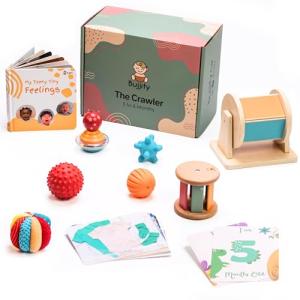
Montessori Toy Set for Infants - Tummy Time Fun
Encourage exploration and development with this engaging tummy time toy set designed for little ones
Product information
$52.50
Product Review Score
4.75 out of 5 stars
183 reviewsProduct links
Store Toys Properly for Longevity
Taking care of your Montessori toys is a must if you want them to last. Proper storage can go a long way in maintaining their quality and playability. When you store your toys the right way, you’re setting them up for a long, happy life—so let’s dive into some practical Montessori toys maintenance tips!
First, consider a dedicated storage space. Using bins or shelves designed for kids can keep everything organized. Clear bins are great because kids can see what’s inside. Label each bin to make it easier for little ones to put things back where they belong. This not only helps in keeping the area tidy but also encourages responsibility.
Next, make sure to clean the toys regularly. A quick wipe down with a damp cloth can remove dust and grime. For wooden toys, consider using a natural cleaner that's safe for kids. Avoid soaking them—wood can absorb water, which isn’t ideal. Plus, check for any loose parts and fix them right away to keep them safe for playtime.
Finally, store toys in a dry area. Humidity can damage wooden pieces over time, so a playroom or a climate-controlled space is best. Keep them away from direct sunlight to prevent fading and cracking. By following these Montessori toys maintenance tips, you’ll help your child’s favorite toys stick around for years of joy and learning!
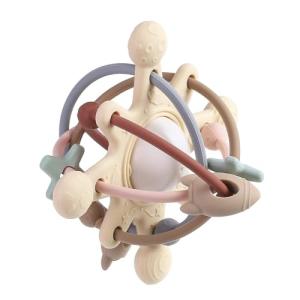
PandaEar Silicone Baby Sensory Teething Toys
Comfort your baby's gums with these cute and safe silicone teething toys that also promote sensory play
Product information
$9.75
Product Review Score
4.98 out of 5 stars
60 reviewsProduct links
Tips for Teaching Kids Toy Care
Teaching kids how to take care of their toys can be a fun and rewarding experience. Plus, it helps them understand responsibility. Start by making it a game! You can pretend to be toy doctors, taking care of their “patients.” This way, cleaning and maintaining Montessori toys feels less like a chore and more like a fun activity.
Set up a designated spot for toy cleaning. You can use a simple tray or a small table where kids can gather their toys for maintenance. Having a specific place helps kids learn to put their toys back where they belong after playing. You can even create a checklist of tasks like wiping, sorting, or checking for damages. These Montessori toys maintenance tips can guide them in keeping their treasures in tip-top shape!
Show them the basics—like how to wipe down wooden toys with a damp cloth and avoid soaking them. Explain why some materials, like fabric or plastic, might need different care. You can do a little experiment together, watching how different toys respond to gentle cleaning. This approach not only teaches them care but also gets them curious about how materials work.
Finally, give them ownership by letting them help with toy repairs. If a piece breaks or needs fixing, encourage them to be part of the process. Showing them how to assess the damage and using simple tools helps them feel empowered. It’s a great way to instill respect for their belongings and teach valuable life skills. These Montessori toys maintenance tips really work wonders in fostering responsibility in kids!